Water Damage Insurance Claim - Complete Guide (2026 Updated)

By: Uri Shalev | Last updated: 12/14/2025

When a flood or a nasty leak hits your home, two things decide the outcome: what your policy actually covers and what you do in the first hour. In this guide we’ll cut through the jargon so you’ll get a first-hour checklist that protects coverage, a plain-English table of common scenarios, and a neutral look at who to call first.

Here’s what we’ll cover: 
Post Summary

Water damage coverage depends on your policy and the source of the flooding; sudden and accidental indoor leaks are usually covered, floods and long-term leaks are not. Don’t call your insurer first as it may hurt your claim – call M&M first so that our mitigation team and licensed PA can build a clean, verifiable scope for a faster, fuller payment.

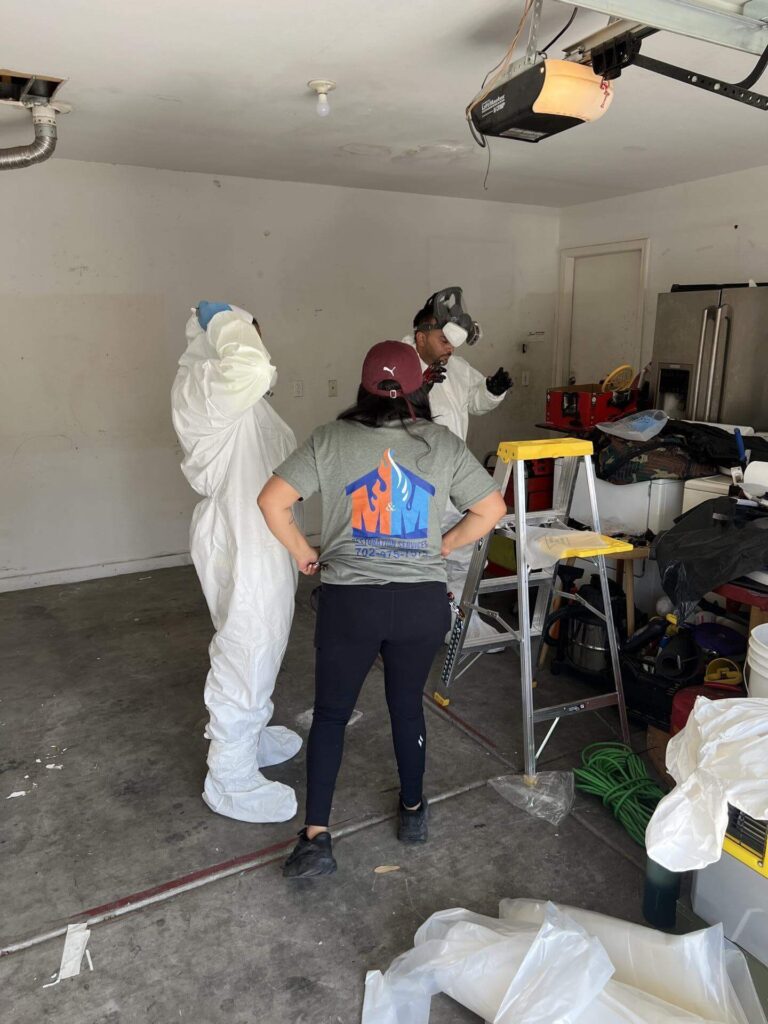
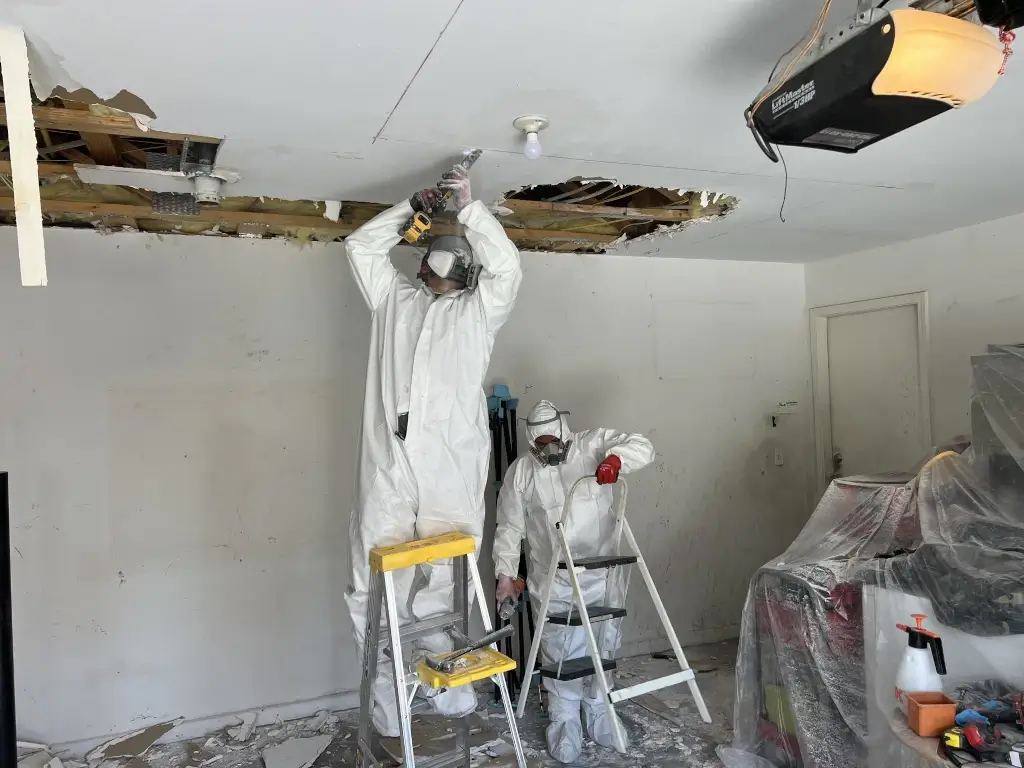
M&M Restoration technicians in PPE removing wet ceiling drywall in a Las Vegas garage to mitigate water damage.
Restoration team preparing for repair work in a garage after water damage

1. Does my Home Insurance Cover Water Damage?

Short answer: “Yes, but…”.

Long answer: Homeowners policies usually cover water damage when it is sudden and accidental and the water originates inside the home. Typical covered events include a burst supply line, a failed water heater, or a washing machine overflow. However, coverage is far more limited for water that comes from outside the structure, slow leaks that develop over time, or any damage tied to poor maintenance.

As for flooding from rain or surface water, this requires a separate flood policy. Sewer or sump backups are commonly excluded unless a specific endorsement was added.

Here’s a useful table that covers the different scenarios, click to expand:

Scenario

Usually covered by homeowners?

Notes

Burst or frozen supply line inside the home

Yes

Sudden and accidental discharge. Resulting damage to floors, walls, and contents is typically covered.

Appliance overflow (washer, dishwasher, water heater)

Yes

Coverage applies to resulting damage. Wear and tear on the appliance itself is often excluded.

Water used to extinguish a fire

Yes

Resulting water damage is generally covered as part of the fire loss.

Rain enters after a covered opening (broken window, wind-damaged roof)

Often yes

The opening must be caused by a covered peril. Pre-existing wear or open windows left during a storm can trigger exclusions.

Gradual leak or long-term seepage

No

Considered maintenance. Insurers expect prompt repair once a leak is discovered.

Flooding or surface water from outside the home

No

Requires separate flood insurance. Las Vegas does see flash flooding in certain areas.

Groundwater or hydrostatic pressure through slab or walls

No

Typically excluded under homeowners policies.

Sewer or sump backup

No without endorsement

Look for a water backup endorsement with a specific dollar limit.

Mold resulting from a covered water loss

Limited

Often subject to a mold sublimit. Ask about optional mold buy-ups.

We recommend that you review your policy for water exclusions, mold sublimits, ordinance or law limits, and whether you carry a water backup or flood policy. Knowing what you are owed is half the battle. But what happens when things get real and you have to deal with actual water damage in your home?

2. The first hour checklist to protect coverage and your house

Water damage can happen to anyone. In Las Vegas there’s ~244,000 households, with a homeownership rate near 55%, or roughly 135,000 owner-occupied homes. Applying the U.S. water damage claim rate of 1.6% to insured homes suggests approximately 2,000 to 2,200 water damage claims per year, that’s a lot.

From our experience, the first 60 minutes set the tone for both damage control and your insurance claim. Here’s a detailed step by step guide to lead you through the process:

  1. Make the scene safe

    If water is near outlets, appliances, or the breaker panel, cut power to the affected circuits. Do not step into standing water if power might be live. If the source is plumbing and you know the location, shut off the main supply valve. If you cannot locate it, close fixture valves.

    • Why it matters: Safety first. Electrical and slip hazards are the top immediate risks. Most policies also require you to prevent further damage, so safe shutoff protects people and coverage.
  2. Call M&M Restoration

    Once the area is safe, call us. We dispatch mitigation immediately and, as licensed Public Adjusters, we start the claim file correctly from minute one. We will guide you on shutoffs, which photos to capture, what to move, and what to save.

    • Why it matters: Early choices shape the claim. Coordinated mitigation and documentation produces a clean record a claims examiner can verify, reducing disputes and delays.
    • If you called the carrier before calling us, keep following the steps below. We will align the scope to standards, meet the adjuster on site, prepare Xactimate estimates, and handle supplements if the first estimate is unobjectively “light”.
  3. Stop the source and stabilize

    With our guidance, close any visible supply valves, cap broken lines if you can safely reach them, and place a bucket under drips. If a water heater is involved, close the cold supply and set the thermostat to off.

    • Why it matters: Secondary damage grows costs and can trigger exclusions. Quick stabilization limits spread and supports coverage for resulting damage.
  4. Save the evidence

    Do not throw out anything wet yet. Keep damaged pipe sections, failed hoses, soaked carpet pad, baseboards, and any failed parts in a bag labeled Save for insurance with the date. These items prove cause and scope.

    • Why it matters: Physical evidence confirms the failure and may support subrogation. It is often the difference between a smooth approval and a dispute about cause.
  5. Start mitigation, not demolition

    Do not punch random holes or rip out drywall without a plan. Our team will set containment, begin controlled removal if needed, and start the drying process once all the water has been pumped out.

    • Why it matters: Unplanned demo increases cost, dust, and denial risk. Controlled mitigation aligns with industry standards and your policy duties.
  6. Create a simple claim log

    Open a note or spreadsheet and record times, what you did, and who you spoke with. Keep invoices and receipts for tarps, wet vac rentals, plumber visits, hotels, pet boarding, and meals if you are displaced. This supports reimbursement and Additional Living Expenses.

    • Why it matters: A clean paper trail supports reimbursement and ALE. It also helps resolve adjuster questions without multiple calls.

3. Who to call first when you have water damage

You have two jobs on day one: stop the damage and create a clean record of what happened. Calling a qualified restoration company, like M&M Restoration first, handles both. We shut off the source, stabilize the site, and document cause and resulting damage with photos, saved parts, and moisture readings. That documentation becomes the backbone of a strong water damage insurance claim that a claims examiner can verify.

This is not about being adversarial with your carrier. Policies require you to mitigate promptly and to keep records. A mitigation-first call sequence simply puts safety and evidence in the right order so later decisions are based on field conditions, not assumptions.

How carriers actually process these claims

Insurers move high volumes of losses through intake, triage, and desk review. Much of that early work is done from photos and notes. If your file arrives with a measured scope, room-by-room photos with timestamps, a preserved failed part, and initial drying logs, you reduce back-and-forth and avoid avoidable scope disputes. Recent public testimony about disaster claims highlighted delays and revisions during internal reviews. You do not need to take a position on that to see the practical takeaway: bring facts first.

Public Adjuster – how and when it helps (and what it costs)

Simply put, a licensed Public Adjuster acts as the policyholder facing the insurer. Since M&M Restoration has our own Nevada-licensed in-house Public Adjuster , we’re able to take your case from A-Z. In practice, that means we structure the submission, align the estimate to industry standards, and manage supplements using field evidence rather than opinions. 

Furthermore, while typical public adjuster cost is a percentage of the claim, when M&M performs the mitigation and reconstruction, we may credit or waive our PA fee. This also allows us to put the terms in writing so your net cost is clear before work begins.

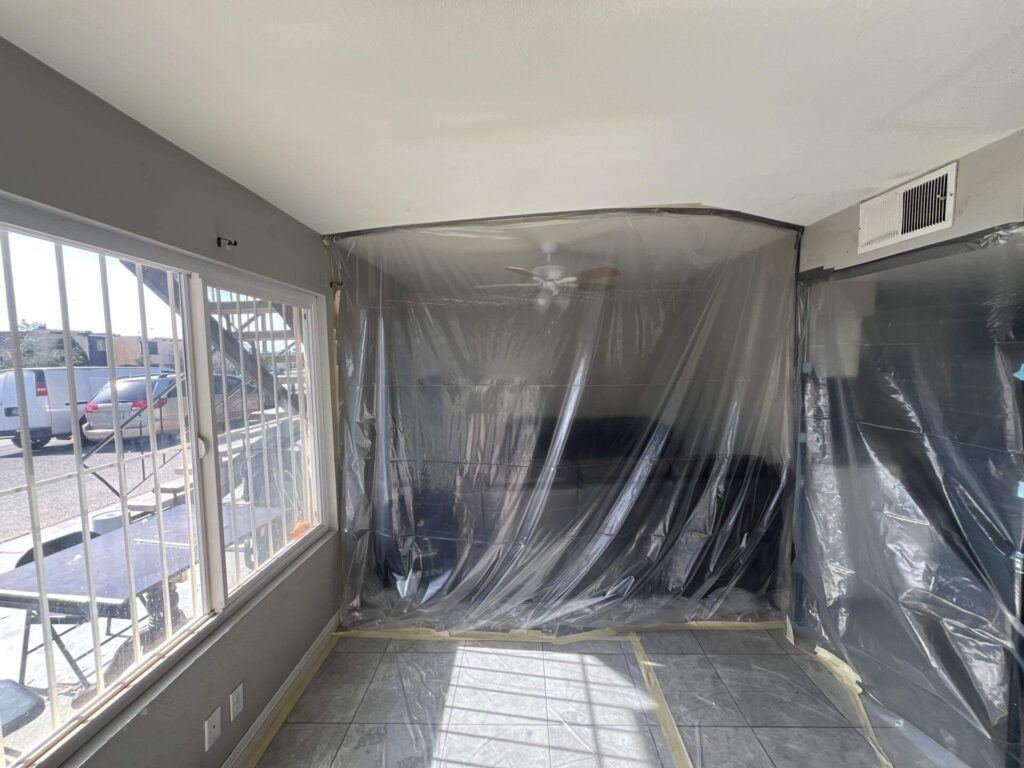
Plastic containment with floor protection set up in a Las Vegas living room to control water damage and dust during mitigation.
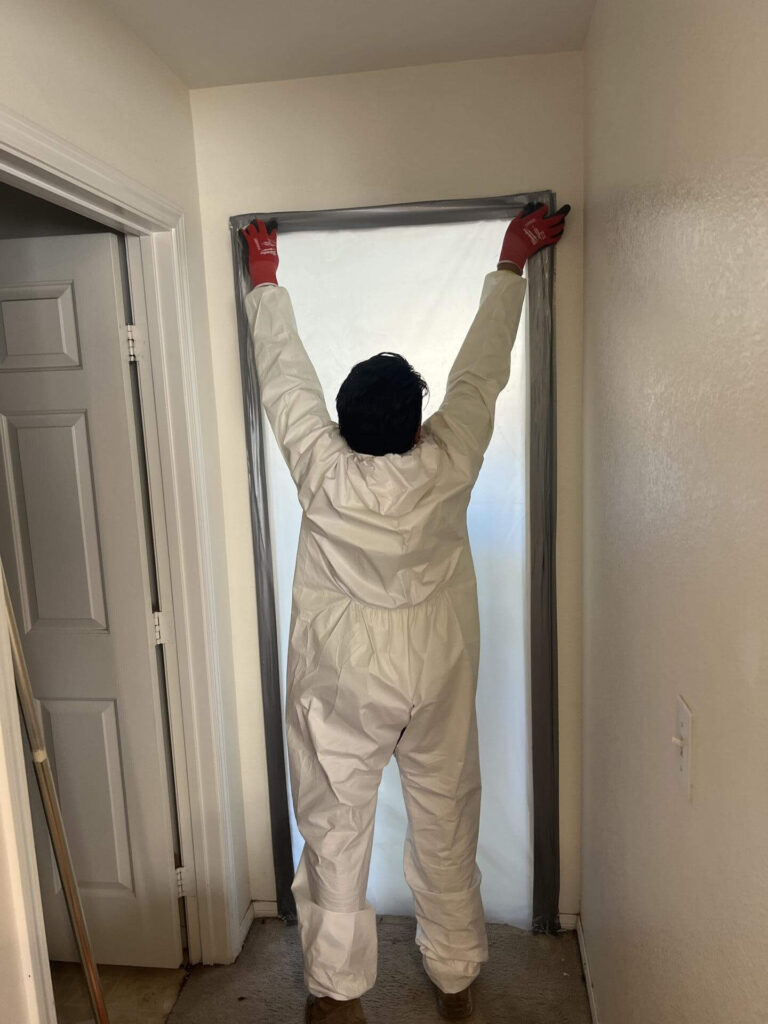
Technician in PPE installing a plastic doorway containment with tape to isolate a water-damaged area in a Las Vegas home.

4. Conclusion

Unfortunately, at some point in life there’s a good chance you will find your home flooded. When that happens and water shows up where it shouldn’t, clarity beats panic. Know what your policy is likely to cover, act in the first hour to stop the source, and call a water damage mitigation company.

Who you call first shapes that record. With M&M on site as both your mitigation crew and a Nevada-licensed Public Adjuster, the work and the claim move in step: safe stabilization, smart documentation, and a scope written to standards.

Restoring the Past, Building the Future

© 2026 M&M Restoration. All rights reserved