Restoring the past, building the future
By: Uri Shalev | Last updated: July 22, 2026
Las Vegas floods more than its dry reputation suggests, and a monsoon storm can turn a street into a fast-moving channel in a matter of minutes. The choices you make in the first 24 hours decide how dangerous it gets, how much of your home you save, and whether your insurance will pay for any of it.
During a Las Vegas flash flood, the danger is the moving water, not your belongings: six inches can knock you off your feet and a foot can float your car, so never drive or walk into it. Once it’s safe, the two things that decide your outcome are your insurance (standard homeowners policies do not cover flood damage, so check whether you have separate flood coverage) and how fast you dry out, because floodwater is contaminated and mold can start within 24 to 48 hours. Treat everything the water touched as a health hazard, photograph it all before you clear it, and get contaminated, saturated materials out fast.
That’s it in a nutshell. Read on for the complete post, here’s what I’ll cover:
The desert is built to flood. Our caliche hardpan barely absorbs water, so monsoon storms from mid-June through September sheet off the desert and pavement and race through washes and streets, rising far faster than people expect. Every year the Clark County Regional Flood Control District warns of the same thing: a dry wash can turn into a deadly channel in minutes.
Personal safety, before everything: Moving water, not your belongings, is the real danger. Just six inches can knock an adult off their feet, a foot can float most cars, and two feet can carry away trucks and SUVs. Per the CDC, over half of flood drownings happen when someone drives into the water. So if a street or wash is flooded, turn around, never drive around barriers, and stay clear of standing water near outlets or downed power lines. If you’re evacuating and can do it safely, shut your utilities off at the main switch on the way out.
But unfortunately, while we can be cautious and stay clear of the flood, it’s impossible to keep our homes out of it. Once flood hits, the damage is mostly inevitable. Still, there’s a couple of things you can do to prepare, mainly insurance-wise.
A standard homeowners insurance policy does not cover flood damage. That catches a lot of people off guard, and it’s worth checking before the next storm rather than after. Flooding, meaning water that rises from outside and enters your home, is specifically excluded from ordinary homeowners and renters policies.
Flood coverage is a separate policy, bought either through the federally backed National Flood Insurance Program (NFIP) or a private flood insurer. Two things make this urgent for Las Vegas homeowners. First, an NFIP policy generally takes 30 days to take effect, so you cannot buy it when a storm is already in the forecast. Second, nearly a third of NFIP flood claims come from properties outside high-risk flood zones, which is exactly the “I’m not in a flood zone, so I’m fine” homeowner who ends up paying out of pocket.
If water came in from the storm, find your policy and confirm what you actually have. If the damage is instead from an indoor source that the storm triggered, like a roof leak or a pipe that burst, that may fall under your regular policy, which is a very different claim. Read our guide on water damage claims to learn how to read your policy. A public adjuster, which is someone who works for you rather than the insurer, can help you sort out which coverage applies and document the loss properly. We keep one in house for exactly this reason.
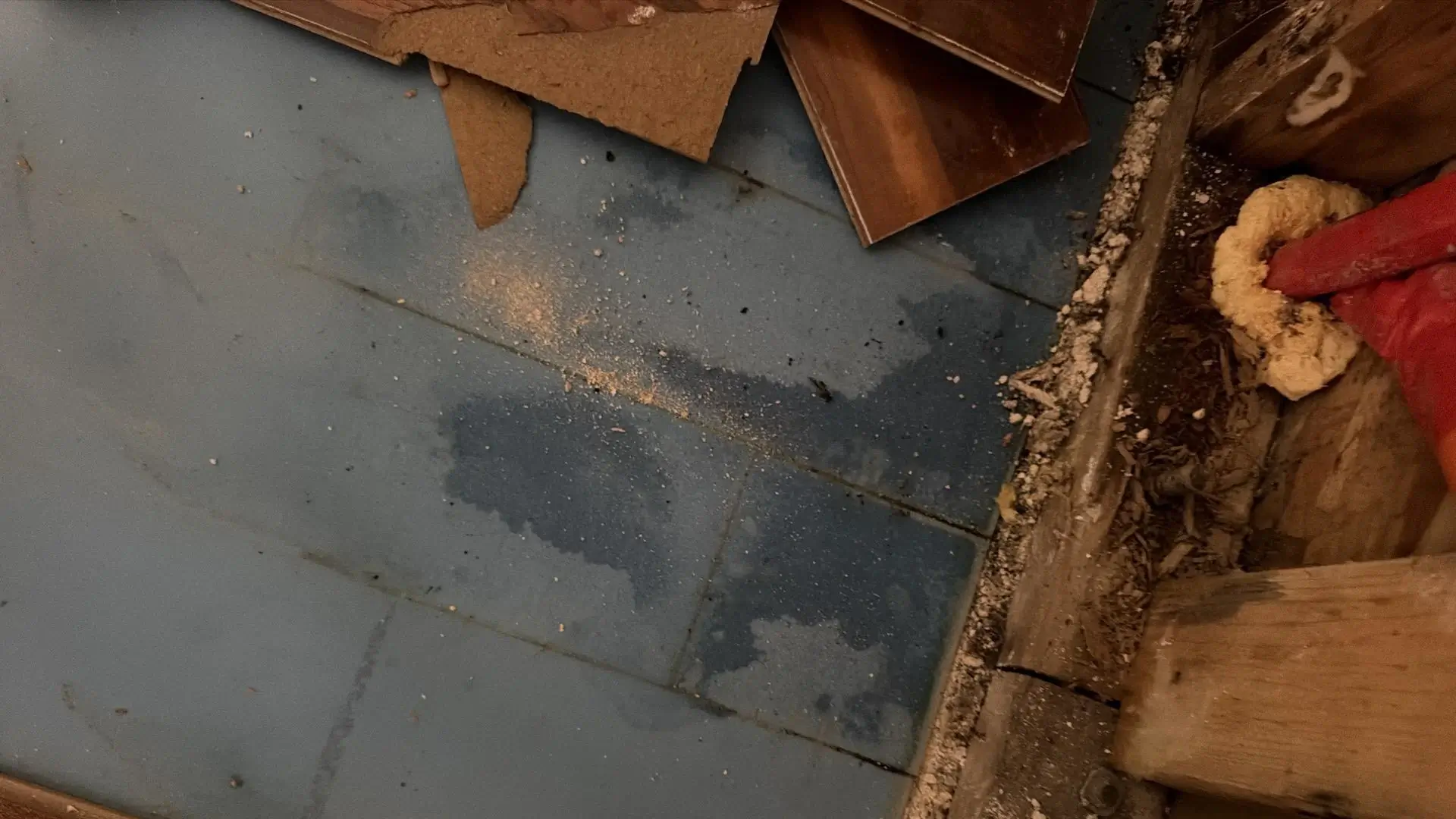
Once it’s safe to go inside, remember that floodwater is not clean water. In the restoration trade it’s classified as Category 3 or “black water”, because it typically carries sewage, chemicals, bacteria, and whatever it picked up running down the street. Treat everything it touched as a health hazard. The CDC recommends rubber boots and waterproof gloves for anyone handling it, and standing water left behind quickly becomes a breeding ground for mosquitoes.
So, before you go back in, look for sagging ceilings or other signs the structure was compromised, don’t switch the power back on if there’s still standing water or wet wiring, and if you smell gas, leave and call it in. The goal in this window is simple: don’t turn a property emergency into a medical one.
Seeing your home and your belongings after they were hit by floodwater is emotionally tough. The urge to start sorting everything back is understandable, but before you move or throw away a single thing, photograph and film all of it: the water line on the walls, the flooring, the furniture, and what’s inside your drawers and cabinets. Narrate it on your phone as you walk through, noting what happened and when.
Contaminated, soaked materials often can’t wait for an adjuster to arrive, and that’s fine, health comes first, but thorough photos are what protect your claim once those items are gone. Keep receipts for anything you can, and hold on to samples or clear close-ups of higher-value items. This is where working with a documented, verifiable claim pays off, because a well-built scope of loss is what gets paid.
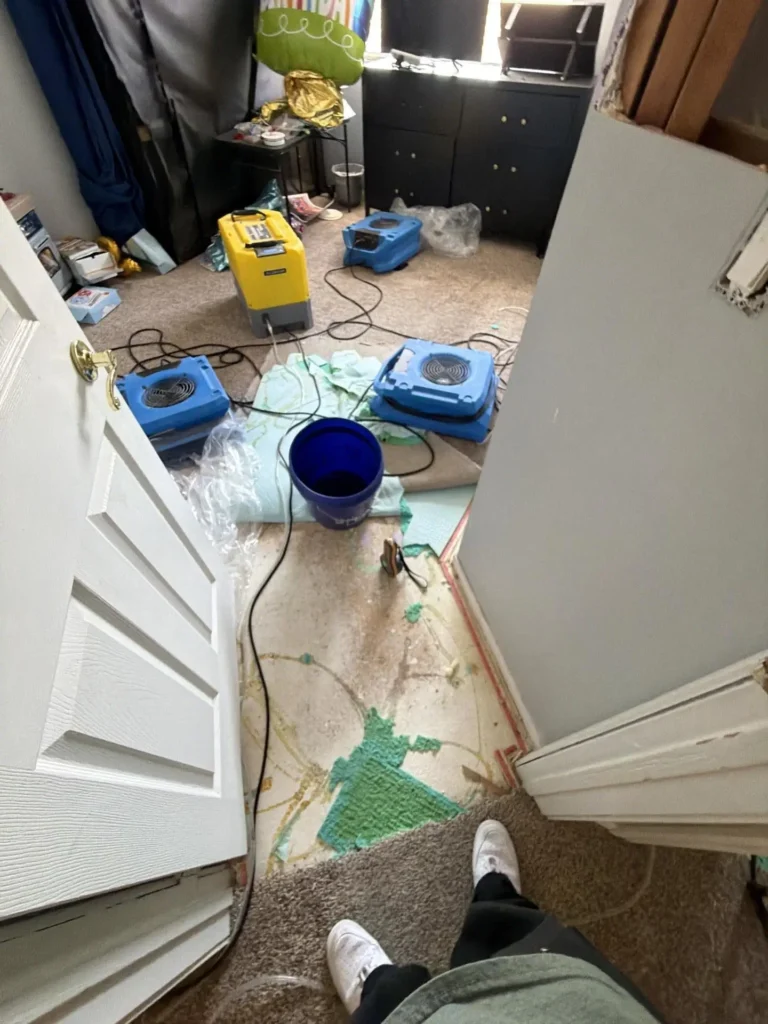
While water is the primary source of damage in flood incidents, it’s almost never alone; mold, the slow-motion damage source that we know too well almost always follows it. Per FEMA, mold can start growing on your drywall within 24 to 48 hours, and it doesn’t care how dry the air is outside, because it feeds on the moisture trapped inside your walls, insulation, and flooring, not the air in the room. The desert’s one real advantage here is that low outdoor humidity lets you dry a home out quickly if you move fast, so to dry your drywall and the structure you can open the house up and run fans if you have them.
As for other materials, some can be saved and some can’t. FEMA’s guidance is to throw out soaked carpet and padding and any porous material that stayed wet longer than 48 hours, while hard surfaces like metal, glass, sealed wood, and tile can be washed with a non-ammonia detergent and hot water, then disinfected.
Remember, since floodwater is contaminated, cleaning is only half the job; the structure itself has to be dried and treated, and that’s where professional mold and moisture control matters.
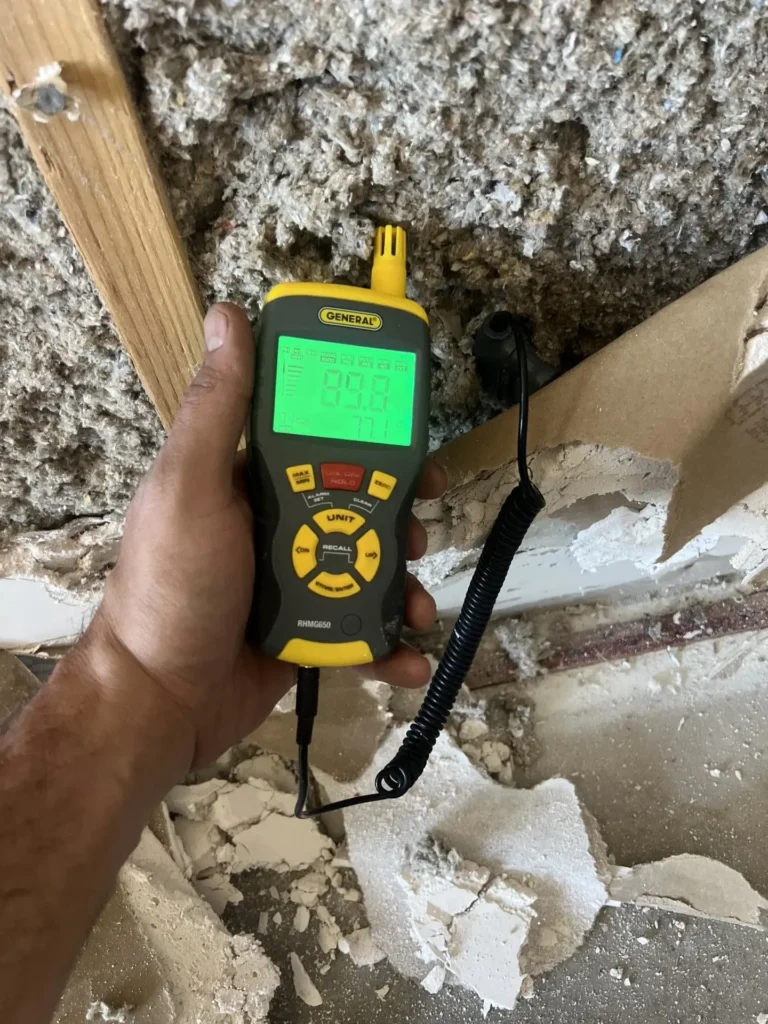
A minor, clean leak is something you can handle with towels and a fan. A flood is not. Contaminated Category 3 water that reached your walls, subfloor, or belongings needs proper extraction, antimicrobial treatment, and structural drying with moisture meters, so that the water you can’t see gets pulled out before it becomes mold and rot.
That’s the work we do. M&M answers 24 hours a day and is usually on-site within about an hour anywhere in the valley, from Summerlin to Henderson. Because we’re a licensed general contractor, we handle the entire job under one roof, from water extraction and structural drying through rebuilding the drywall and flooring, and our in-house public adjuster works your claim while we work the house. If the water reached your walls, subfloor, or belongings, call M&M at (702) 475-7575, day or night.
A Las Vegas flash flood is fast and dangerous, but the first 24 hours are mostly about good decisions: stay out of moving water, find out whether you actually have flood coverage, treat floodwater as the health hazard it is, document everything, and dry out before mold sets in. Do those and you protect both your family and your finances.
If you’re dealing with flooding right now, call us at (702) 475-7575, day or night. If you’re reading this before the next storm, take ten minutes to check your flood coverage, because monsoon season isn’t done with us yet.